
- Home
- Health Center
- Health Info
- The Basics of Keto Diet & Its Risks
The Basics of Keto Diet & Its Risks
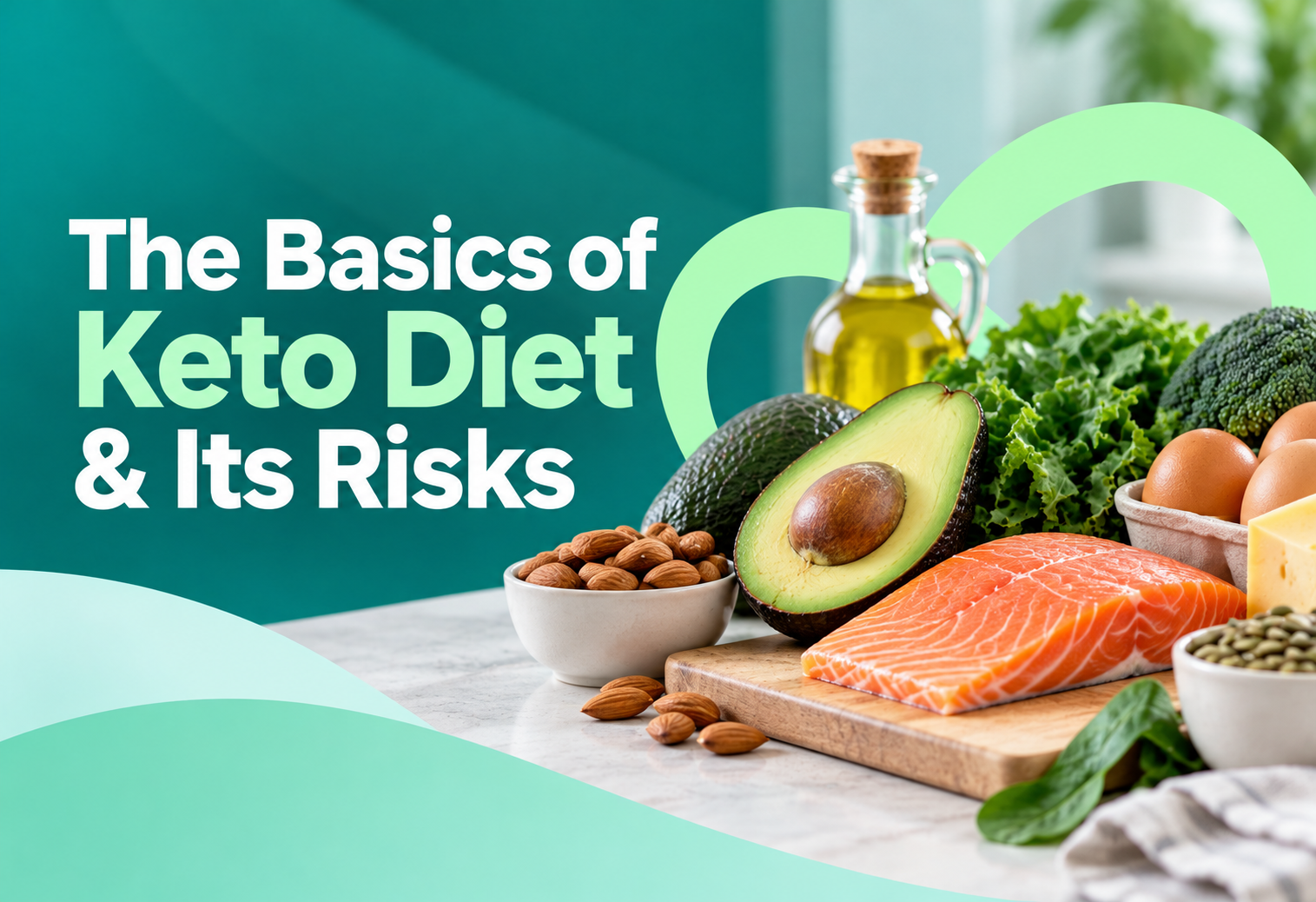
A ketogenic (keto) diet is a very-low-carbohydrate, high-fat eating pattern designed to shift the body toward using ketones as an alternative fuel source. It may help some people lose weight in the short term, but it is restrictive and can cause side effects, nutritional gaps and medication-related risks. People with diabetes or other medical conditions should seek professional advice before starting on a strict keto diet. [1, 2, 8, 10]
The keto diet has become popular for weight loss, but it was originally developed as a therapeutic diet for epilepsy, particularly for seizures that are difficult to control with medication. A weight-loss keto plan and a medically prescribed ketogenic therapy are not the same thing: medical ketogenic diets are individually designed and monitored by specialist healthcare teams. [1, 4, 14]
What is a keto diet?
A keto diet sharply reduces carbohydrate intake, provides moderate protein and gets most energy from fat. It aims to promote nutritional ketosis, a metabolic state in which the body uses ketones as an alternative energy source. Unlike a general low-carbohydrate diet, which may allow more carbohydrates, a ketogenic diet restricts carbohydrates sufficiently to promote ketosis. [1, 8]
The exact proportions of carbohydrates, protein and fat can vary. Many weight-management keto plans limit carbohydrate intake to approximately 20–50 g per day, although individual requirements may differ. [1, 2, 10]
How does nutritional ketosis work?
Carbohydrates from food are normally an important source of glucose, which the body uses for energy. When carbohydrate intake falls substantially, the liver increases production of ketone bodies from fat. These ketones can be used as an alternative fuel by many tissues, including the brain. The body also continues to make some glucose through gluconeogenesis for tissues that need it. [1]
During nutritional ketosis, ketone levels increase while blood acidity remains normal. This differs from diabetic ketoacidosis (DKA), a serious medical emergency in which excessive ketone production causes the blood to become too acidic, usually due to insufficient insulin. [1, 9]
Nutritional ketosis is a metabolic state associated with carbohydrate restriction. Diabetic ketoacidosis is a dangerous medical emergency involving excessive ketone accumulation and increased blood acidity.
Can a keto diet help with weight loss?
It can for some people. Ketogenic and very-low-carbohydrate diets may help reduce appetite and support weight loss, particularly in the short term. [2, 6, 15] Some of the initial weight loss comes from water as stored glycogen is depleted. [17] Over time, weight-management results also depend on overall energy intake, diet quality, nutritional adequacy and whether the eating pattern can be maintained. [2, 12, 17]
A keto diet is therefore one possible weight-management approach rather than a guaranteed or uniquely superior solution. A less restrictive eating pattern may be easier for some people to maintain while still supporting a healthy weight. [2, 12, 17]
What foods are commonly eaten on a keto diet?
Typical keto meals include a variety of lower-carbohydrate foods and fat sources. Common choices include: [8, 12]
- Fish, seafood, eggs, poultry and unprocessed meat
- Unsaturated-fat sources such as olive oil, avocado, nuts, seeds and olives
- Lower-carbohydrate vegetables such as leafy greens, broccoli, cauliflower and courgette
- Lower-carbohydrate dairy foods, such as certain cheeses, depending on individual needs
- Small portions of fruits such as berries
For heart health, fat quality matters. Choosing more unsaturated fats and fewer foods high in saturated fat is more consistent with current cardiovascular dietary guidance. [11]
What are the common side effects of a keto diet?
During the first days or weeks, some people may experience temporary side effects, sometimes called the “keto flu”. These may include: [1, 8, 14]
- Headache, tiredness or dizziness
- Nausea or stomach discomfort
- Constipation
- Muscle cramps
- Temporary sleep disturbance
These symptoms are not necessarily a sign that the body is “detoxing”. They may be related to changes in fluid and electrolyte balance as the body adapts to the diet, while reduced fibre intake may contribute to constipation. [1, 8, 14]
What are the longer-term risks and other safety concerns?
A strict keto diet may make it harder to obtain enough fibre, vitamins and minerals, particularly if food choices are limited. Some people may experience constipation or increased LDL cholesterol, depending on their diet and individual response. [8, 10, 11, 14] Kidney stones have also been reported, particularly among people following long-term therapeutic ketogenic diets. [13, 14] Evidence on the long-term safety of ketogenic diets for weight management, especially beyond two years, remains limited. [17]
| Potential concern | Why it matters |
|---|---|
| Low fibre / constipation | Restricting whole grains, legumes and some fruit may reduce fibre intake unless lower-carbohydrate vegetables, nuts and seeds are included. [8, 10, 14] |
| Micronutrient gaps | Limited food variety can make it harder to obtain sufficient vitamins and minerals. [8, 14] |
| Blood lipids | Some people may experience increased LDL cholesterol, particularly when the diet contains high amounts of saturated fat. [10, 11, 17] |
| Kidney stones | Kidney stones have been reported with ketogenic diets, particularly in longer-term therapeutic use. The risk in people following keto for weight loss is less certain. [13, 14] |
| Medication-related risks | Diabetes medicines may need adjustment when carbohydrate intake is reduced. People taking SGLT2 inhibitors should avoid ketogenic diets because of ketoacidosis risk. [10] |
Can a keto diet cause ketoacidosis?
A keto diet generally produces nutritional ketosis, which is different from diabetic ketoacidosis (DKA). During nutritional ketosis, ketone levels rise while blood acidity remains normal. In contrast, DKA is a medical emergency involving excessive ketone accumulation and increased blood acidity, usually due to insufficient insulin. [1, 9]
A ketogenic diet may increase the risk of DKA in people with diabetes who take these medicines. The 2026 American Diabetes Association Standards discourage ketogenic eating patterns in individuals receiving SGLT inhibition who are at risk of DKA. Importantly, DKA can occur even when blood glucose levels are not markedly elevated. [10, 16]
Can people with diabetes follow a keto diet?
Some people with type 2 diabetes may experience improved blood glucose control with carbohydrate restriction, particularly in the short term. However, a strict keto diet is not suitable for everyone. Insulin and certain diabetes medicines, such as sulfonylureas, can increase the risk of hypoglycaemia when carbohydrate intake is substantially reduced. People taking SGLT2 inhibitors should avoid ketogenic diets because of the risk of ketoacidosis. Medication changes should only be made with guidance from a doctor or diabetes care team. [10, 16]
People with type 1 diabetes require insulin treatment and should never replace prescribed insulin with a ketogenic diet. Anyone with diabetes considering a very-low-carbohydrate diet should discuss the plan with their healthcare professional first. [10]
Who should avoid a strict keto diet or seek medical advice first?
A very-low-carbohydrate ketogenic diet is not suitable for everyone. Current diabetes guidance does not recommend very-low-carbohydrate eating plans during pregnancy or breastfeeding, for children, people with kidney disease, or people with or at risk for disordered eating. People taking SGLT2 inhibitors should avoid ketogenic eating patterns because of ketoacidosis risk. [10]
Specialist advice is also important for people with a history of pancreatitis or kidney stones, or significant liver disease. These precautions should be distinguished from medically prescribed ketogenic therapy, such as for drug-resistant epilepsy, which requires specialist supervision. [1, 14]
If you want to try keto, how can you reduce the risks?
-
Seek professional advice before starting.
This is especially important if you have diabetes, take regular medicines or have existing medical conditions. A doctor can assess medical suitability, while a dietitian can advise on nutritional needs and a pharmacist can review medication-related risks. [10, 14] -
Do not stop or reduce prescribed medicines on your own.
Medication adjustments should be made under appropriate medical supervision. [10, 16] -
Prioritise unsaturated fats.
Choose foods such as olive oil, nuts, seeds and avocado rather than relying heavily on butter, processed meats or coconut oil. [11] -
Include fibre-rich, lower-carbohydrate foods.
Include low-carbohydrate vegetables, nuts and seeds to support fibre and micronutrient intake. [10, 11] -
Stay adequately hydrated and watch for warning signs.
Seek medical attention if you experience persistent vomiting, severe weakness, confusion or rapid breathing, particularly if you have diabetes or take SGLT2 inhibitors. [10, 14]
Takeaway: keto can work for some people, but it is not risk-free
A keto diet may support short-term weight loss, but it is restrictive and may not be suitable for everyone. [2, 12] A sustainable eating pattern should meet your nutritional needs, support long-term health and take any existing medical conditions or medication-related risks into account. [10, 11, 12, 17]
If you are considering keto for weight loss or blood sugar management, speak with a qualified healthcare professional. A CARiNG pharmacist can help you review your medicines, identify possible safety concerns and advise when medical or dietitian input is needed.
Speak with a CARiNG pharmacist
If you are considering a ketogenic diet, especially if you take regular medicines or have diabetes or another medical condition, speak with a CARiNG pharmacist. They can help review your medicines, identify possible medication-related concerns and advise when further medical or dietitian input may be appropriate.
Find your nearest CARiNG Pharmacy →Medical disclaimer: This article is for general health education and is not a substitute for medical advice, diagnosis or treatment. Seek advice from a qualified healthcare professional for concerns about your health, diet or medicines.
Frequently asked questions about the keto diet
Is the keto diet safe for everyone?
No. A strict keto diet is not suitable for everyone, especially without clinical supervision. People who are pregnant or breastfeeding, children, people with kidney disease, those with or at risk for disordered eating, and people taking SGLT2 inhibitors need particular caution. [10]
How many carbs are allowed on a keto diet?
Is keto more effective than a balanced, calorie-controlled diet for weight loss?
What is the difference between ketosis and ketoacidosis?
Nutritional ketosis is a metabolic state caused by carbohydrate restriction where ketone levels rise while blood acidity remains normal. Diabetic ketoacidosis is a dangerous medical emergency involving excessive ketones and increased blood acidity, usually related to severe insulin deficiency or other risk factors. [1, 9, 10]
Can I do keto if I take diabetes medication?
Do not start a strict keto diet without discussing it with your doctor or diabetes care team. Medication doses may need review, and people taking SGLT2 inhibitors should avoid ketogenic eating patterns because of ketoacidosis risk. [10]
What is the healthiest way to choose fats on keto?
If you follow a low-carbohydrate plan, favour unsaturated fat sources such as olive oil, nuts, seeds and avocado, and limit foods high in saturated fat. [11]
View references 17 sources
- Daley SF, Masood W, Annamaraju P, et al. The Ketogenic Diet: Clinical Applications, Evidence-based Indications, and Implementation. In: StatPearls. Updated December 13, 2025. NCBI Bookshelf. Source
- Ting R, Dugré N, Allan GM, et al. Ketogenic diet for weight loss. Can Fam Physician. 2018;64(12):906. Source
- Giroux NF. The Keto Diet and Long-Term Weight Loss: Is It a Safe Option? Inquiries Journal. 2020;12(10). Source
- Paoli A. Ketogenic Diet for Obesity: Friend or Foe? Int J Environ Res Public Health. 2014;11(2):2092–2107. Source
- Leidy HJ, Clifton PM, Astrup A, et al. The role of protein in weight loss and maintenance. Am J Clin Nutr. 2015;101(6):1320S–1329S. Source
- Sumithran P, Prendergast LA, Delbridge E, et al. Ketosis and appetite-mediating nutrients and hormones after weight loss. Eur J Clin Nutr. 2013;67(7):759–764. Source
- Kelly AL. The Keto Diet: Foods, Benefits, Risks and More. Forbes Health. Audited and verified June 11, 2024. Source
- Gupta L, Khandelwal D, Kalra S, et al. Ketogenic diet in endocrine disorders: Current perspectives. J Postgrad Med. 2017;63(4):242–251. Source
- Wint C. What You Should Know About Diabetic Ketoacidosis. Healthline. Medically reviewed by Marina Basina, MD. Updated April 1, 2025. Source
- American Diabetes Association Professional Practice Committee for Diabetes. 5. Facilitating Positive Health Behaviors and Well-being to Improve Health Outcomes: Standards of Care in Diabetes—2026. Diabetes Care. 2026;49(Suppl 1):S89–S131. doi:10.2337/dc26-S005. Source
- Lichtenstein AH, Khera A, Anderson CAM, et al. 2026 Dietary Guidance to Improve Cardiovascular Health: A Scientific Statement From the American Heart Association. Circulation. 2026. doi:10.1161/CIR.0000000000001435. Source
- Harvard Health Publishing. Should you try the keto diet? Reviewed March 28, 2024. Source
- Acharya P, Acharya C, Thongprayoon C, et al. Incidence and Characteristics of Kidney Stones in Patients on Ketogenic Diet: A Systematic Review and Meta-Analysis. Diseases. 2021;9(2):39. Source
- Cervenka MC, Wood S, Bagary M, et al. International Recommendations for the Management of Adults Treated With Ketogenic Diet Therapies. Neurol Clin Pract. 2021;11(5):385–397. Source
- Leung LYL, Tam HL, Ho JKM. Effects of ketogenic and low-carbohydrate diets on the body composition of adults with overweight or obesity: A systematic review and meta-analysis of randomised controlled trials. Clin Nutr. 2025;46:10–18. Source
- American Diabetes Association Professional Practice Committee for Diabetes. 9. Pharmacologic Approaches to Glycemic Treatment: Standards of Care in Diabetes—2026. Diabetes Care. 2026;49(Suppl 1):S183–S215. Source
- Kirkpatrick CF, Bolick JP, Kris-Etherton PM, et al. Review of current evidence and clinical recommendations on the effects of low-carbohydrate and very-low-carbohydrate (including ketogenic) diets for the management of body weight and other cardiometabolic risk factors: A scientific statement from the National Lipid Association Nutrition and Lifestyle Task Force. J Clin Lipidol. 2019;13(5):689–711.e1. Source
Related Health Info
Latest Health Info
The Basics of Keto Diet & Its Risks
The short answer A ketogenic (keto) diet is a very-low-carbohydrate, high-fat eating pattern designed to shift the body toward using ...

Muscle Pain Management: What Helps Beyond Painkillers?
The short answer Managing muscle pain starts with understanding what causes it. While painkillers may provide temporary relief, other approaches, ...

Nourish Your Body, Maintain Your Weight
The short answer A healthy weight is best supported by consistent habits rather than extreme diets. Food quality matters alongside ...