A healthy weight is best supported by habits you can maintain: eat more
fibre-rich minimally processed foods, build balanced meals with sensible
portions, move regularly, choose water most often, and focus on consistency
rather than singular “quick” fixes like detox or blindly taking
“fat-burning” supplements.
[1,
2,
3,
6,
9]
Healthy weight management is not about one “magic” food or a short
cleanse. Body weight is influenced by many factors, including eating
patterns, physical activity, sleep, stress, medicines, health conditions,
genetics and the environment. For people who want to lose weight, a
gradual and sustainable approach is generally more useful than extreme
restriction.
[1,
2,
3]
What are 5 tips for healthy weight management?
01
Choose more fibre-rich foods
Dietary fibre can support digestive health and help meals feel more
satisfying.
[1,
2]
Fibre is found mainly in plant foods such as fruits, vegetables, whole
grains and called legumes. Therefore, you can build your meals around
them. A higher-fibre eating pattern can also support heart and metabolic
health as part of an overall balanced diet.
[1,
4,
5]
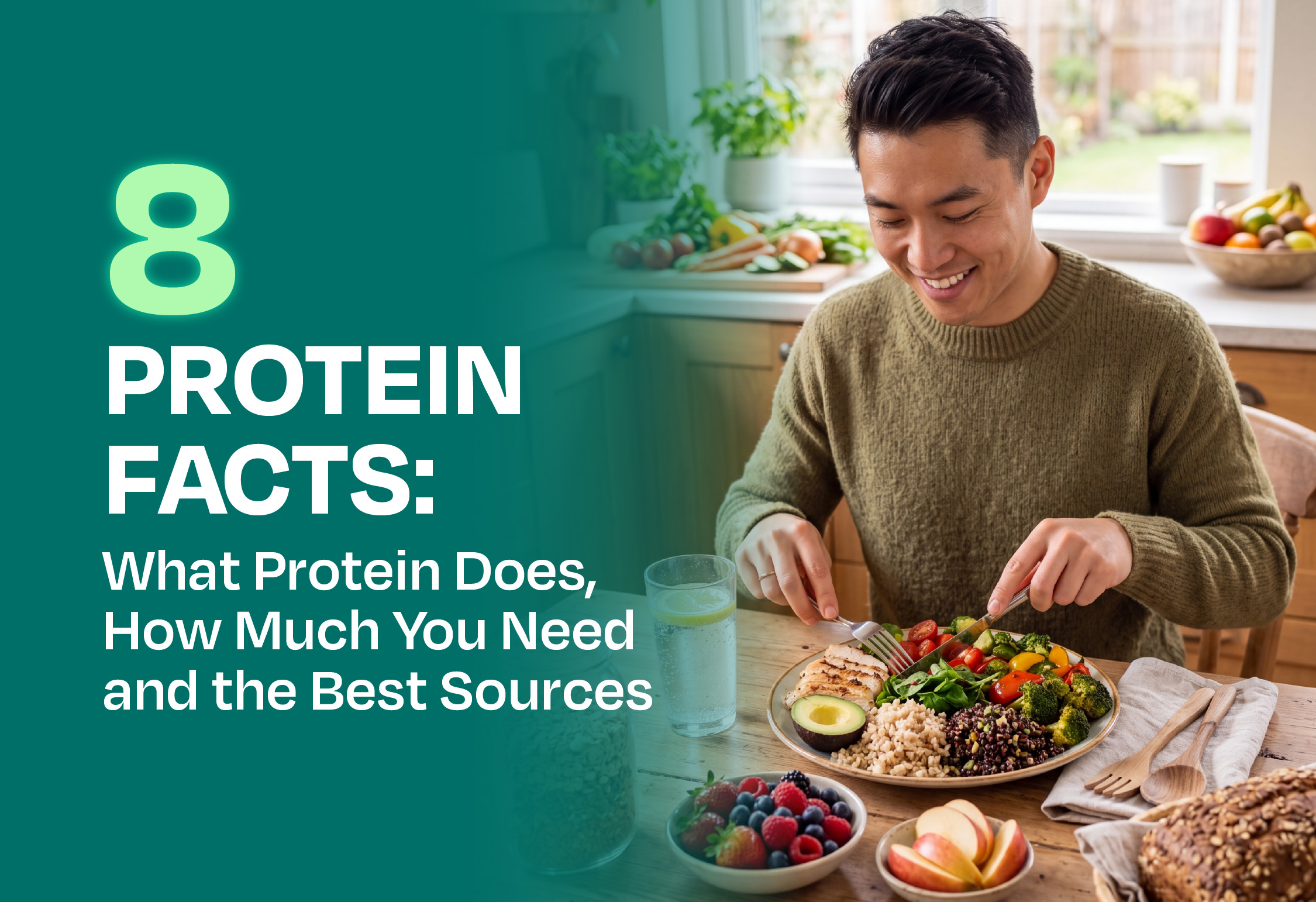
Practice the quarter-quarter-half Malaysian Healthy Plate. Fill half
your plate with fruits and vegetables, a quarter with protein and the
remaining quarter with carbohydrates. This helps to increase your
fibre intake while controlling your protein and carbohydrate portions.
[1,
5]
Choose whole grains more often than refined grains.
Increase fibre gradually and drink enough fluids to reduce bloating
or constipation.
02
Build balanced meals and watch portions
No single meal pattern works for everyone, but healthy diets share
common principles: adequacy, balance, moderation and diversity. Portion
size also matters because even nutritious foods contribute energy.
[1,
6]
A practical plate can include plenty of vegetables, a source of protein,
and a sensible portion of whole grains or other high-quality
carbohydrates. Choose minimally processed foods more often and limit
foods and drinks high in free sugars, sodium and unhealthy fats.
[1,
3,
6]
Use smaller plates or serve a modest first portion, then pause before
taking more.
Choose lean or minimally processed protein sources more often.
Keep sugary drinks, desserts and heavily processed snacks occasional
rather than everyday defaults.
03
Move regularly – and include strength work
Physical activity helps with overall health and can support weight
management. Adults should aim for at least 150 minutes of
moderate-intensity aerobic activity per week, such as brisk walking or
cycling, and add muscle-strengthening activities on a regular basis.
[1,
3]
You do not need to do everything at once. Shorter activity sessions
still count, and starting with a manageable amount can make the habit
easier to maintain.
[1,
3]
Walk briskly for 20–30 minutes on most days.
Use stairs, active commuting or short movement breaks to reduce
sedentary time.
Add resistance exercises such as squats, wall push-ups, resistance
bands or weights as appropriate.
04
Make water your default drink
Alcohol, fizzy drinks and energy drinks can be high in sugar and
calories. Even fruit juices can contain high amounts of natural sugar,
so stick to no more than one small glass a day.
[1,
7]
Water supports normal body functions and is a simple way to hydrate
without adding sugar or calories. Replacing sugar-sweetened drinks with
water can reduce unnecessary energy intake. If plain water is not
appealing, try chilled water, sparkling water without added sugar, or
water flavoured with slices of fruit.
05
Focus on habits you can sustain
The most effective plan is one you can keep doing. Regular meals,
adequate sleep, stress management, planning ahead and tracking progress
can all support healthy routines.
[1,
3]
Set one or two small goals at a time.
Keep healthy foods convenient and plan meals before you are very
hungry.
If you are trying to lose weight, consider structured support from a
healthcare professional rather than blindly purchasing supplements.
What should you do if weight is affecting your health?
If you have overweight or obesity, a healthcare professional can help you
set a realistic goal and check for related health risks such as high blood
pressure, abnormal blood glucose or high cholesterol. For some adults,
treatment may include structured lifestyle support and, when clinically
appropriate, medicines or bariatric procedures.
[1,
8]
Visit your nearest CARiNG Pharmacy to know more about
weight management,
healthy lifestyle planning, and when to seek further medical assessment.
Speak with a CARiNG pharmacist
A CARiNG pharmacist can discuss practical weight-management habits,
healthy lifestyle planning and suitable next steps based on your needs.
If you have health conditions, take regular medicines or are considering
a weight-loss product, speak with a healthcare professional before making
major changes.
Medical disclaimer:
This article is for general health education and is not a substitute for
medical advice, diagnosis or treatment. If you are pregnant, have a
medical condition, take regular medicines, have a history of an eating
disorder or are considering weight-loss supplements or medicines, speak
with a qualified healthcare professional.
Frequently asked questions about healthy weight management
What is the healthiest way to lose weight?
For most people, a sustainable plan combines a balanced eating
pattern, appropriate portions (such as the quarter-quarter-half
Malaysian Healthy Plate), regular physical activity, adequate sleep
and behavioural support. The exact plan should be individualized,
especially if you have medical conditions or take medicines.
[1,
3,
5]
Do I need to detox to lose weight?
No. “Detox” diets or drinks are not necessary for weight loss. A
healthier approach is to reduce excess energy intake, eat more
minimally processed foods and stay active.
[1,
3,
6]
Does drinking water before meals help with weight loss?
Water can help with hydration and can replace higher-calorie drinks.
Some people may also find it helps them feel more comfortable with
portions, but it is not a stand-alone weight-loss treatment.
Are weight-loss supplements effective?
Weight-loss supplements should not be seen as the stand-alone
solution for weight loss but rather something that works in tandem
with lifestyle changes such as dietary adjustments and physical
exercise. If you are keen to take a weight-loss supplement, speak to
a healthcare professional beforehand to understand the function of
the supplement and how it can complement your lifestyle.
[1,
9]
How much exercise do I need for weight management?
A common starting target for healthy adults is at least 150 minutes
of moderate-intensity aerobic activity per week, along with
muscle-strengthening activity. Some people may need more activity
for additional weight-management goals.
[1,
3]
Is skipping breakfast necessary for weight loss?
No. There is no universal meal schedule that suits everyone. Focus
on a meal pattern that helps you meet your nutrition needs, manage
portions and avoid persistent overeating.
View references
9 sources
CARiNG Pharmacy.
5 Quick Tips On Staying Slim.
Original CARiNG article used as the source for this update.
Source
World Health Organization.
Obesity and overweight.
Geneva: World Health Organization; 8 December 2025.
[cited 18 August 2026].
Source
National Institute of Diabetes and Digestive and Kidney Diseases.
Health Tips for Adults.
Bethesda (MD): National Institute of Diabetes and Digestive and Kidney
Diseases; September 2020. [cited 18 August 2026].
Source
Mayo Clinic Staff.
Dietary fiber: Essential for a healthy diet.
Rochester (MN): Mayo Clinic; 24 December 2025.
[cited 18 August 2026].
Source
Majlis Keselamatan Negara.
Diet suku-suku separuh: panduan pemakanan sihat untuk semua.
Putrajaya: Majlis Keselamatan Negara; 11 November 2025.
[cited 18 August 2026].
Source
World Health Organization.
Healthy diet.
Geneva: World Health Organization; 26 January 2026.
[cited 18 August 2026].
Source
National Health Service.
5 A Day portion sizes.
London: National Health Service; 19 July 2022.
[cited 18 August 2026].
Source
National Institute of Diabetes and Digestive and Kidney Diseases.
Treatment for Overweight and Obesity.
Bethesda (MD): National Institute of Diabetes and Digestive and Kidney
Diseases; May 2023. [cited 18 August 2026].
Source
National Institutes of Health, Office of Dietary Supplements.
Dietary Supplements for Weight Loss: Fact Sheet for Consumers.
Bethesda (MD): National Institutes of Health.
[cited 18 August 2026].
Source
We've updated our privacy policy to reflect our commitment to ensuring the security of your data. Please check out our updated Privacy Policy for more details. By continuing browsing this website, you are giving consent towards the same.