- Home
- Health Center
- Health Info
- The Truth about Postpartum Hair Loss: Understanding and Managing It
Hair Loss
The Truth about Postpartum Hair Loss: Understanding and Managing It
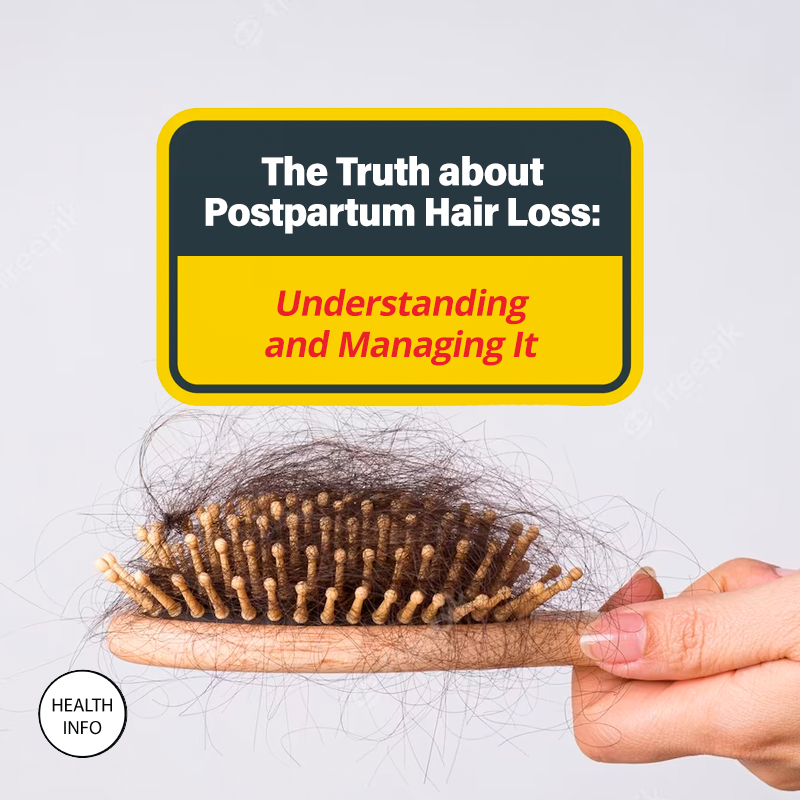
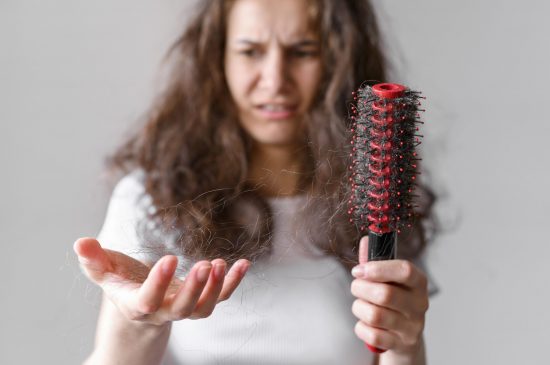
Bringing a new life into this world is a miraculous journey, but not without challenges. While most people expect body changes during pregnancy, one surprising issue that catches many women off guard is postpartum hair loss. If you’re a new mom and find yourself shedding more hair than usual, don’t panic. This is a common phenomenon, and understanding it can help you quickly manage it.
What is Postpartum Hair Loss?
Postpartum hair loss is a condition that affects many women after giving birth. During pregnancy, hormonal changes lead to a decrease in hair shedding, resulting in thick and lustrous locks. However, once the baby is born, hormone levels normalise, causing many hairs to enter the shedding phase.
What is Postpartum Hair Loss?
Postpartum hair loss is a condition that affects many women after giving birth. During pregnancy, hormonal changes lead to a decrease in hair shedding, resulting in thick and lustrous locks. However, once the baby is born, hormone levels normalise, causing many hairs to enter the shedding phase.
Tips for Managing Postpartum Hair Loss:
- Be Gentle with Your Hair: To minimise hair breakage, avoid using harsh chemicals, excessive heat styling, or tight hairstyles. Instead, opt for gentle shampoos, conditioners, and wide-toothed combs. Treat your hair with care and avoid over-brushing or vigorous towel drying.
- Embrace a Shorter Hairstyle: If you’re comfortable with a shorter style, consider getting a haircut that is easy to manage and requires less styling. Shorter haircuts can make hair loss less noticeable and reduce the stress on fragile strands.
- Maintain a Healthy Diet: Eating a balanced diet rich in vitamins and minerals is essential for overall hair health. Focus on consuming foods high in iron, zinc, biotin, and vitamin D, such as lean meats, eggs, nuts, seeds, spinach, and citrus fruits. Consult with a healthcare professional to ensure you’re meeting your nutritional needs.
- Consider Supplements: Consult your healthcare provider about supplements that promote hair health, such as biotin or prenatal vitamins. These supplements can help supplement any nutritional gaps in your diet and support healthy hair growth.
- Give It Time: Postpartum hair loss is typically a temporary condition. Hair growth cycles vary, and it may take several months for your hair to regain its pre-pregnancy thickness. Be patient and allow your body to adjust naturally.
Remember, postpartum hair loss is a natural part of the motherhood journey for many women. It may be disheartening to see clumps of hair in the shower or on your hairbrush, but rest assured, it’s temporary. Taking care of yourself is as important as caring for your little one, so be kind to yourself during this transformative journey.
Latest Health Info
Beyond The Diagnosis: Three Colorectal Cancer Survivors Share What Recovery Really Looks Like
A colorectal cancer diagnosis can change life in an instant. Yet for many survivors, the diagnosis is only the beginning ...
“I Thought It Was Nothing”: Three Colorectal Cancer Survivors Share Why Early Screening Matters
For many people, symptoms such as changes in bowel habits, stomach discomfort, unexplained weight loss or occasional bleeding can be ...
Early Detection: Stay Well-Informed
Cancer can be a difficult word to hear. For many, it brings worry, fear and uncertainty. But there is one ...