
- Home
- Health Center
- Health Info
- Nutrition in Pregnancy: Fuelling Two Lives for a Healthy Future
Nutrition in Pregnancy: Fuelling Two Lives for a Healthy Future
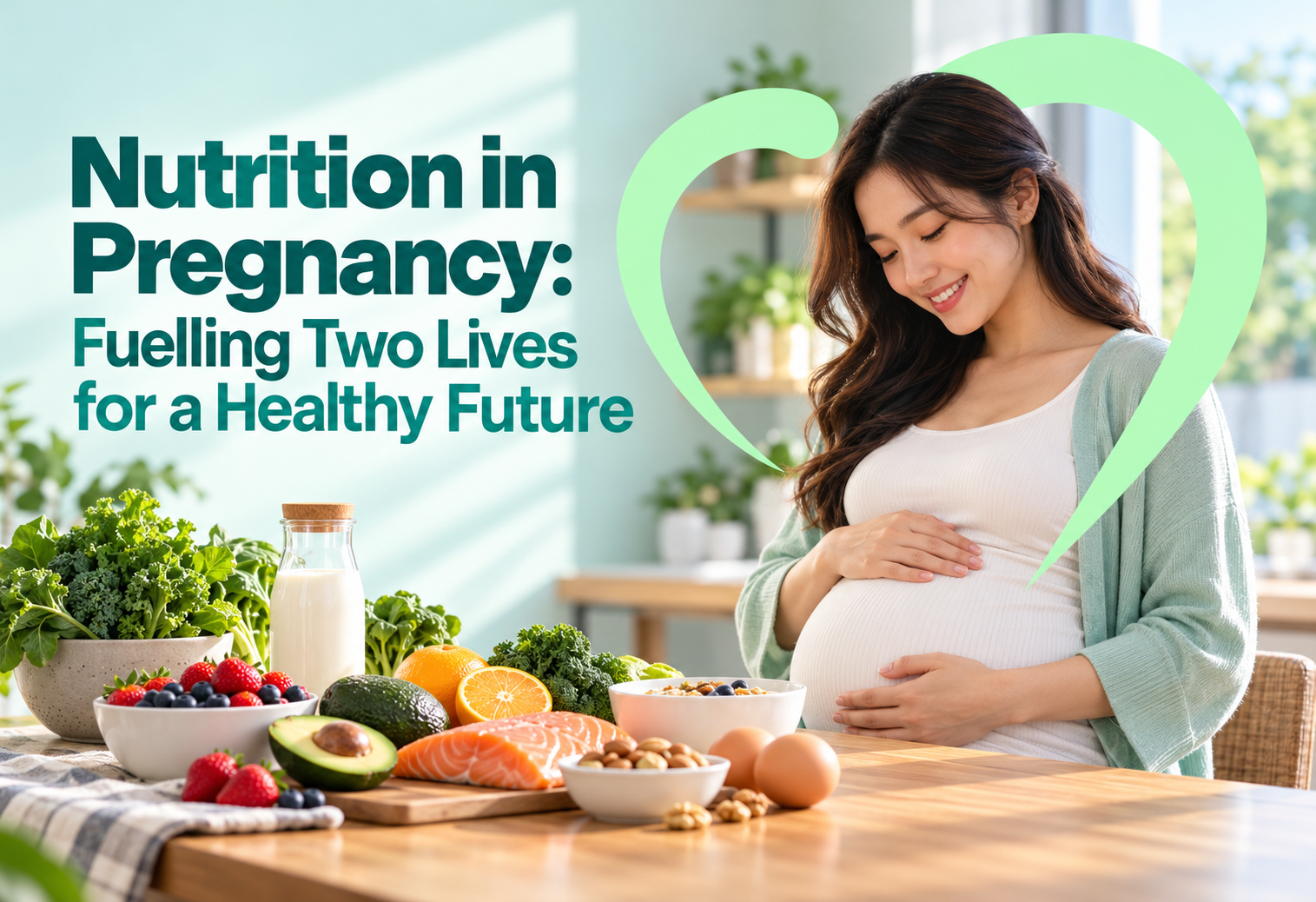
Good nutrition during pregnancy means eating a varied, nutrient-dense diet and paying special attention to nutrients such as folate/folic acid, iron and vitamin D. A prenatal supplement may help fill specific gaps, but it should complement—not replace—a balanced diet. Individual needs can differ, so supplement choices and doses should be discussed with a doctor, pharmacist or dietitian. [3, 4]
Pregnancy places additional nutritional demands on the body as maternal tissues change and the baby grows. [1, 4] Eating well can support maternal energy and wellbeing while providing the building blocks needed for fetal growth and development.
A practical approach is to focus on variety rather than a single “perfect” food: vegetables and fruit, whole grains, protein-rich foods, dairy or fortified alternatives, and healthy fats. [2] Supplements can be useful when dietary intake is not enough or when a nutrient has a specific pregnancy recommendation, but they are not a substitute for regular meals and antenatal care. [4, 6]
What should you eat during pregnancy?
Aim for regular meals built around minimally processed, nutrient-dense foods. A simple plate can include vegetables and fruit, a source of protein such as fish, eggs, poultry, tofu, beans or lentils, and a whole-grain or other fibre-rich carbohydrate. Include dairy foods or fortified alternatives if suitable, plus small amounts of unsaturated fats from foods such as nuts, seeds or avocado. [2, 4]
You do not need to “eat for two” in the sense of doubling your portions. Energy needs change across pregnancy and vary by body size, activity level and trimester. The more useful goal is to improve the nutritional quality of the foods you choose and follow your antenatal team's advice on healthy weight gain.
Which nutrients are especially important during pregnancy?
Many vitamins and minerals matter during pregnancy. The nutrients below deserve particular attention because requirements increase, deficiency may affect maternal or fetal health, or supplementation is commonly considered. [3, 4]
| Nutrient | Why it matters | Food sources | Pregnancy guidance |
|---|---|---|---|
| Folic acid / folate | Supports early development of the neural tube, which becomes the brain and spinal cord. [3, 4] | Leafy greens, legumes, citrus fruits and fortified foods. | The Malaysian RNI for folate during pregnancy is 600 µg DFE/day. In addition, 400 µg (0.4 mg) folic acid daily is recommended before conception and during early pregnancy to help prevent neural tube defects. Some women require a higher dose on medical advice. [3, 4] |
| Iron | Supports red blood cell formation and oxygen transport; adequate iron intake helps reduce the risk of iron-deficiency anaemia. | Lean red meat, poultry, beans, lentils, fortified cereals and dark-green leafy vegetables. | Iron requirements increase substantially during pregnancy and are difficult to meet through food alone. Malaysian guidance recommends iron supplementation during pregnancy, with the appropriate dose adjusted according to haemoglobin/iron status and clinical assessment. [3, 4, 7] |
| Vitamin D | Helps calcium absorption and supports bone development and immune function. [6] | Fatty fish, egg yolk and fortified foods; sunlight also contributes to vitamin D status. | The Malaysian RNI during pregnancy is 15 µg (600 IU) vitamin D/day. [3] |
| Calcium | Supports development of the baby's bones and teeth and helps maintain maternal bone health. | Milk, yoghurt, cheese, calcium-set tofu and fortified plant drinks. | The Malaysian RNI for calcium during pregnancy is 1,000 mg/day for adults. [3] |
| Iodine | Supports thyroid hormone production and fetal brain and nervous-system development. [3, 4] | Iodised salt, dairy foods, eggs and seafood. | The Malaysian RNI during pregnancy is 200 µg iodine/day. [3, 4] |
| Choline | Supports fetal brain and nervous-system development and cell structure. [6] | Eggs, meat, fish, soy foods, beans and some vegetables. | International guidance such as the US National Academies sets an adequate intake of 450 mg/day during pregnancy. Malaysia's RNI 2017 does not specify a choline RNI. [3, 6] |
Folic acid: why timing matters
Folic acid is especially important before conception and in the earliest weeks of pregnancy, when the neural tube is forming. Malaysian guidance recommends 400 µg (0.4 mg) folic acid daily beginning at least 4 weeks before conception and continuing through the first 12 weeks of pregnancy. [4]
Some people need a different dose because of previous pregnancy history, medicines or medical conditions. Higher-dose folic acid should only be taken on the advice of a healthcare professional. [4]
Iron: supporting blood volume and oxygen needs
Iron needs increase during pregnancy as blood volume expands. Low iron can lead to iron-deficiency anaemia, which may cause tiredness, weakness or shortness of breath. [5]
Include iron-rich foods as part of a balanced diet and take iron supplements according to your antenatal healthcare professional's advice. [4, 7]
Food still matters: include iron-rich foods such as meat, poultry, fish, legumes and dark-green leafy vegetables. Pairing plant sources of iron with vitamin-C-rich foods can help improve iron absorption. [4]
Vitamin D and calcium: a team for bone development
Vitamin D helps calcium absorption and supports normal bone development and immune function. [3, 6]
The Malaysian RNI for vitamin D during pregnancy is 15 µg (600 IU) per day. [3] The Malaysian RNI for calcium during pregnancy is 1,000 mg/day for adults. [3]
If your diet is low in dairy or fortified alternatives, ask a healthcare professional whether additional calcium or vitamin D is appropriate.
What about fish and omega-3 fats?
Fish can provide protein, omega-3 fatty acids and several micronutrients. [4, 8]
US FDA/EPA guidance recommends 2–3 servings per week of lower-mercury fish from its “Best Choices” category. [8]
Do you need a prenatal supplement?
A healthy diet is the foundation, but pregnancy is one stage of life when supplements are commonly used to help meet specific nutrient needs. [6, 7]
Prenatal products are not all the same: some may contain little calcium or choline, and ingredient amounts can vary. [6] Check the label and ask a doctor or pharmacist to help you choose a suitable product, especially if you have anaemia, follow a vegan or highly restricted diet, have had bariatric surgery, are carrying multiples, or take regular medicines.
Avoid adding multiple supplements on top of a prenatal product without checking the total dose. In particular, excessive preformed vitamin A can be harmful during pregnancy. [6]
A simple pregnancy nutrition checklist
- Eat a variety of vegetables, fruit, whole grains, protein foods and calcium-rich foods or fortified alternatives. [2, 4]
- Take folic acid as recommended before conception and during early pregnancy. [4]
- Include iron-rich foods and follow your antenatal team's advice on iron supplementation. [4, 7]
- Include dietary sources of vitamin D and calcium, and discuss supplementation with your healthcare professional if needed. [3, 4]
- Choose lower-mercury fish regularly if you eat seafood. [8]
- Bring your prenatal supplement or a photo of its label to appointments so your doctor or pharmacist can review the ingredients and doses. [6]
What foods or drinks should you limit or avoid during pregnancy?
Food safety is especially important during pregnancy. Choose fresh, safely prepared foods and limit raw or undercooked foods to reduce the risk of foodborne illness.
- Wash fruits and vegetables thoroughly with safe, clean water.
- Keep raw and cooked foods separate to prevent cross-contamination.
- Ensure food is properly cooked and stored.
- Drink clean, safe water.
Follow Malaysian food-safety guidance throughout pregnancy. [4]
When should you get personalised nutrition advice?
Speak with your doctor, pharmacist or dietitian if you have persistent nausea or vomiting, difficulty eating enough, anaemia, food allergies, a vegetarian or vegan diet, diabetes, kidney or thyroid conditions, a history of bariatric surgery, or any concern about supplement safety. Nutrition advice may need to be adjusted to your medical history and blood test results.
Good nutrition is one part of a healthy pregnancy journey. Regular antenatal care, appropriate screening and timely medical advice remain essential.
Speak with a CARiNG pharmacist
Visit your nearest CARiNG Pharmacy if you would like help understanding a prenatal supplement label or discussing nutrient needs alongside your doctor's advice.
Find your nearest CARiNG Pharmacy →Medical disclaimer: This article is for general health education and is not a substitute for personalised medical advice, diagnosis or treatment. Always consult a qualified healthcare professional before starting, stopping or changing supplements during pregnancy.
Frequently asked questions about nutrition in pregnancy
Do I need to eat twice as much during pregnancy?
No. Pregnancy increases nutrient needs, but it does not mean doubling food portions. Focus on nutrient-dense foods and follow your healthcare team's guidance on energy intake and healthy weight gain. [4]
When should I start taking folic acid?
Ideally, women planning a pregnancy should start taking 400 µg (0.4 mg) folic acid daily at least 4 weeks before conception and continue through the first 12 weeks of pregnancy. [4]
How much iron do I need during pregnancy?
Is vitamin D important in pregnancy?
Can I get all pregnancy nutrients from food alone?
Which fish are safe during pregnancy?
Choose lower-mercury fish and vary your choices. US FDA/EPA guidance recommends 2–3 servings per week from the “Best Choices” category for people who are pregnant or may become pregnant. [8]
View references 8 sources
- Wang F. The importance of diet during pregnancy: impacts on the developing baby and maternal health. Clin Nutr Hosp Diet. 2023;43(3):1-2. doi:10.12873/0211-6057.43.03.207. Source
- National Health Service. Have a healthy diet in pregnancy. London: NHS; 2023 Apr 21 [cited 2026 Sep 19]. Source
- National Coordinating Committee on Food and Nutrition. Recommended nutrient intakes for Malaysia: a report of the Technical Working Group on Nutritional Guidelines. Putrajaya: Ministry of Health Malaysia; 2017 [cited 2026 Sep 19]. Source
- National Coordinating Committee on Food and Nutrition. Maternal dietary guidelines for Malaysia 2023. Putrajaya: Ministry of Health Malaysia; 2023 [cited 2026 Sep 19]. Source
- Mayo Clinic Staff. Iron deficiency anemia during pregnancy: prevention tips. Rochester (MN): Mayo Foundation for Medical Education and Research; 2025 Jan 31 [cited 2026 Sep 19]. Source
- National Institutes of Health, Office of Dietary Supplements. Dietary supplements and life stages: pregnancy—fact sheet for health professionals. Bethesda (MD): National Institutes of Health [cited 2026 Sep 19]. Source
- World Health Organization. Daily iron and folic acid supplementation during pregnancy. Geneva: World Health Organization; 2024 Jul 26 [cited 2026 Sep 19]. Source
- U.S. Food and Drug Administration, U.S. Environmental Protection Agency. Advice about eating fish for those who might become or are pregnant or breastfeeding. Silver Spring (MD): U.S. Food and Drug Administration [cited 2026 Sep 19]. Source
Related Health Info
Latest Health Info

Early Cancer Detection in Malaysia: Why Affordable Access Matters
The short answer Early detection and affordable access go hand in hand. For certain cancers, screening can identify possible problems ...
Nutrition in Pregnancy: Fuelling Two Lives for a Healthy Future
The short answer Good nutrition during pregnancy means eating a varied, nutrient-dense diet and paying special attention to nutrients such ...

Glow Inside and Out: Key Tips for Women’s Health and Healthy Skin
Quick answer Healthy skin is supported by everyday habits first: a balanced diet, adequate sleep, regular physical activity, gentle skincare ...