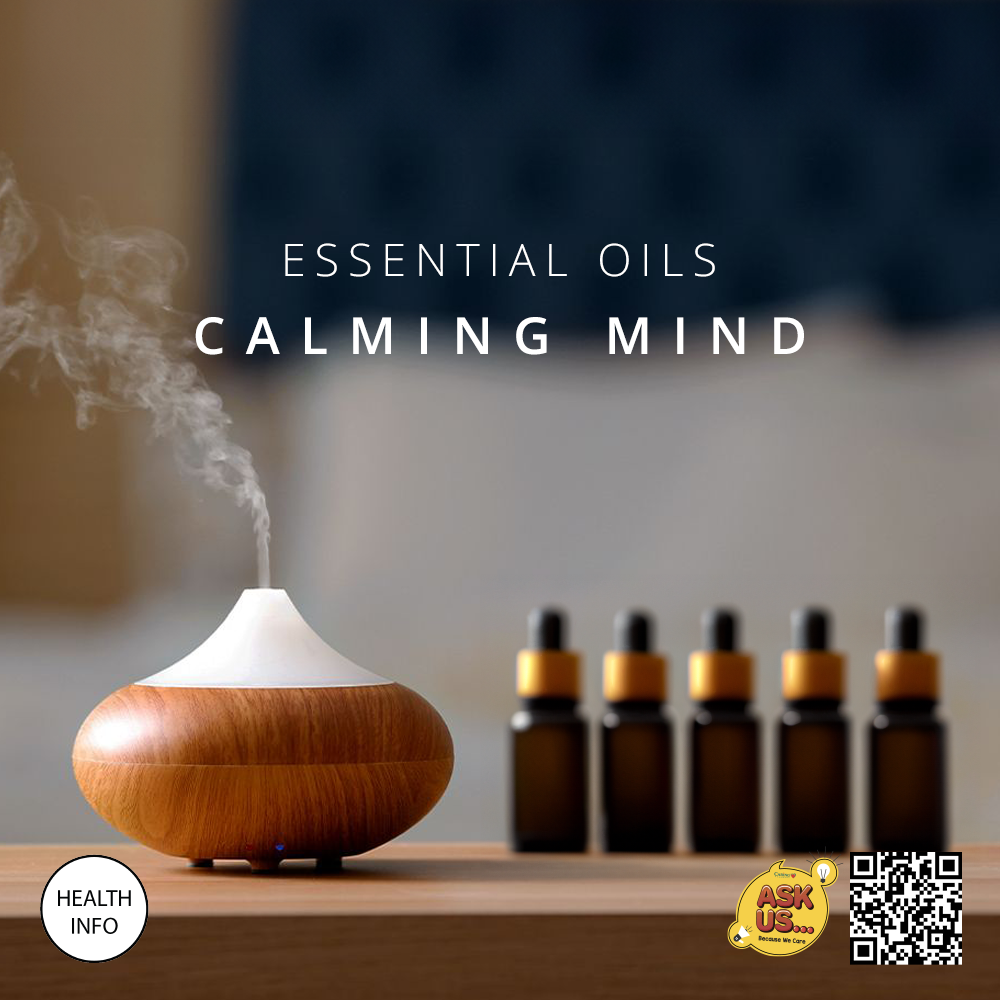
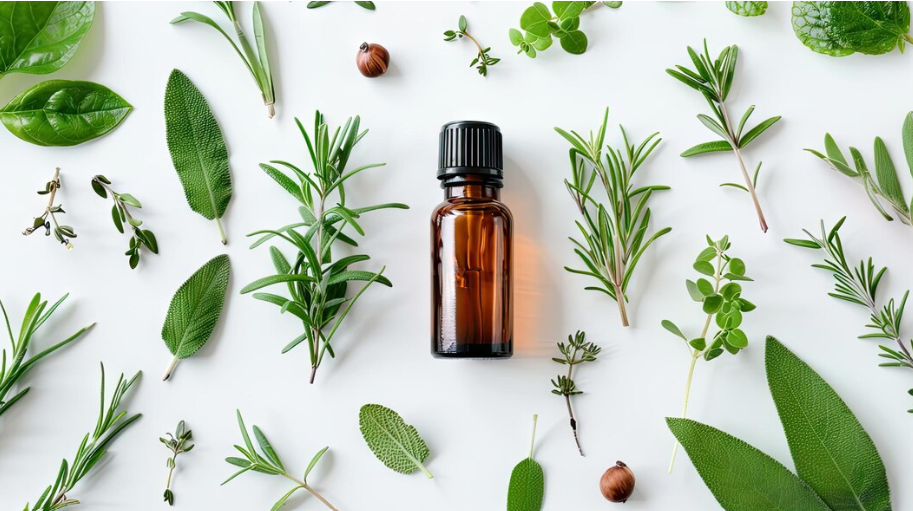
Essential oils are concentrated plant extracts obtained via mechanical pressing or distillation. They retain their natural smell or compounds and are commonly used in aromatherapy.1
When inhaled, the compounds in essential oils may stimulate the olfactory system, which is closely connected to areas of the brain involved in emotion and memory. Through these links, aromatherapy has been studied as a complementary approach that may support relaxation, stress management, and emotional wellbeing.2,3
Commonly Used Essential Oils in Aromatherapy4
Here is a list of essential oils, each with unique properties. They may help with relaxation, easing tension, and improving mood, giving you a range of options for your emotional wellbeing.
- Lavender: Commonly associated with managing stress.
- Sandalwood: Used to promote a sense of calm and aiding with focus.
- Bergamot: May help in the management of stress and skin conditions like eczema.
- Rose: Associated with emotional wellbeing and mood support.
- Chamomile: Helps with relaxation and has calming effects.
- Ylang-Ylang: Aids in relieving headaches, nausea, and skin conditions.
- Jasmine: Associated with emotional wellness.
- Lemon: Helps with mood and managing headaches.
How To Use Essential Oils5
Essential oils can be used in several ways depending on the intended setting:
1. Topical Application
Essential oils may be applied to the skin, but they should always be diluted with a carrier oil (like coconut or jojoba oil) to reduce the risk of skin irritation. They are commonly used in massage applications. If you have any questions about their appropriate use, consult a qualified practitioner.
2. Inhalation
Inhalation is one of the most common methods of use. This can be done by:
- Adding a few drops of essential oil into a bowl of hot water and inhaling the steam. Take care when handling hot water and avoid placing your face too close to the steam.
- Using a diffuser to disperse the aroma into the surrounding environment according to manufacturer instructions.
These methods may then allow the aromatic compounds to be inhaled.
3. Bath Use
Adding a few drops of essential oil to a warm bath may provide a relaxing experience. However, they should first be diluted with a carrier oil or dispersant (e.g., solubol) to ensure proper mixing and reduce skin irritation risk.
When using essential oils for emotional wellbeing, it is important to remember that they are complementary products and should not be used as a substitute for professional medical advice.6 Always choose high-quality essential oils from reputable sources and perform a patch test before applying them to the skin to minimise the risk of irritation or allergic reactions. If you require help or proper guidance, you may consult your healthcare professional or speak to a friendly pharmacist at your nearest CARiNG Pharmacy.