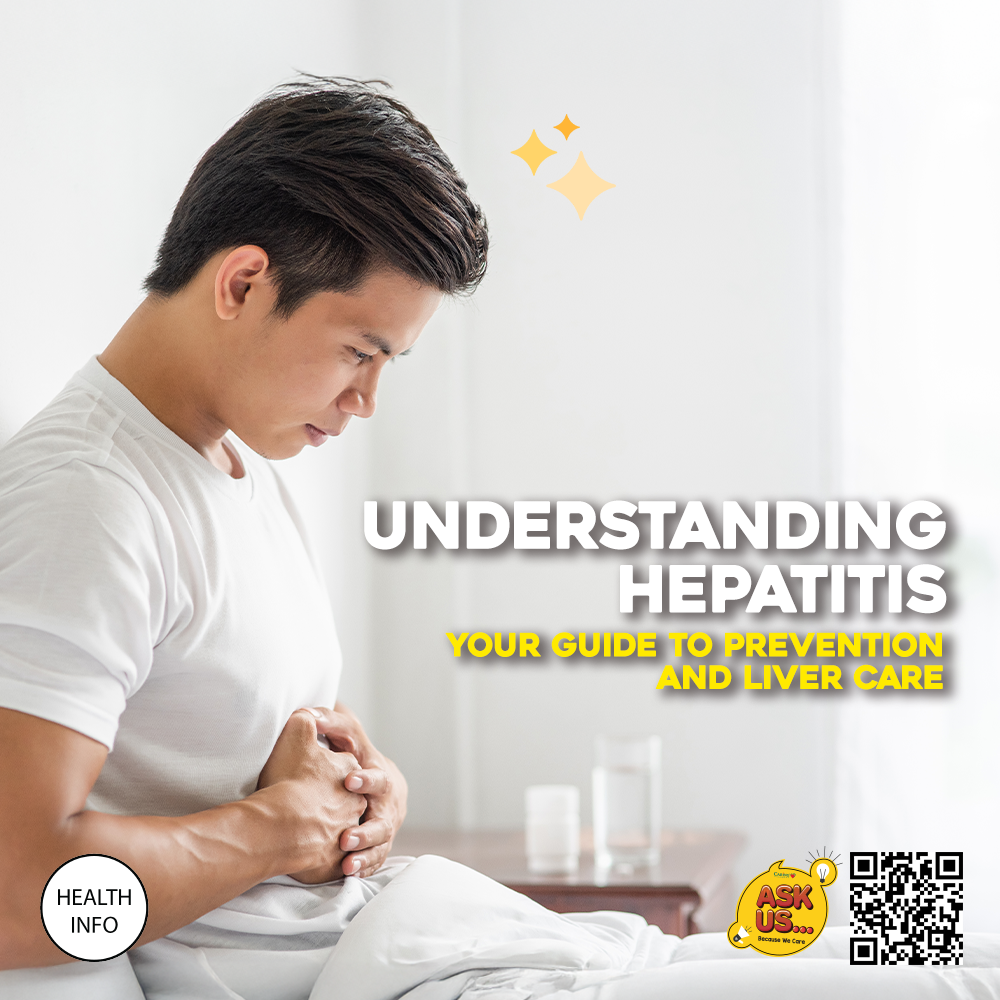
Hepatitis refers to inflammation of the liver, which can be caused by infectious viruses or factors like autoimmune conditions, medications, toxins or alcohol. Among the most concerning causes are viral hepatitis, categorized into five main types: hepatitis A, B, C, D, and E. These are caused by different viruses, with the World Health Organization (WHO) estimating that 354 million people globally live with chronic hepatitis B and C.
How is Hepatitis spread?
Hepatitis A and E are usually transmitted through food or water contaminated with an infected person’s stool. Hepatitis E can also spread through the consumption of undercooked meat. On the other hand, hepatitis B, C, and D are primarily transmitted through contact with infected blood, though hepatitis B and C can also spread through other body fluids, such as during unprotected sex or by sharing drug needles.
What are the symptoms of Hepatitis?
Symptoms of hepatitis vary depending on whether the infection is acute or chronic. Acute infections may manifest symptoms between two weeks to six months after exposure, while chronic hepatitis B or C may remain asymptomatic until significant liver damage occurs. Common symptoms include:
- Fever and fatigue
- Loss of appetite
- Nausea and vomiting
- Abdominal pain
- Dark urine
- Clay-colored stool
- Jaundice (yellowing of the skin and eyes).
How can we prevent Hepatitis?
Preventing hepatitis starts with vaccination. Safe and effective vaccines are available for hepatitis B, which also prevents hepatitis D. Administered at birth, these vaccines greatly reduce the risk of transmission from mother to child. Unfortunately, there are no vaccines available for hepatitis C or E.
Reducing exposure risks is essential, particularly for hepatitis B, C, and D, which are transmitted through bodily fluids. Avoid sharing personal items like needles, razors, or toothbrushes, and practice caution around spilled blood. Using condoms during sexual activity is another effective way to prevent infection.
For hepatitis A and E, practicing good hygiene is key, especially when traveling to areas with poor sanitation. Avoid drinking local water and consuming raw or undercooked shellfish, oysters, fruits, and vegetables. Stick to bottled water and thoroughly cooked meals to minimize the risk of ingestion of contaminated substances.
In conclusion, Hepatitis is preventable, and early care can make all the difference. Stay informed, maintain good hygiene practices, and ensure vaccinations are up to date. Visit your doctor or your nearest CARiNG Pharmacy for advice on hepatitis prevention and liver care for you and your family. Prevention truly is better than cure!