
- Home
- Health Center
- Health Info
- Heart-healthy eating: foods and habits for a healthier heart
Heart-healthy eating: foods and habits for a healthier heart
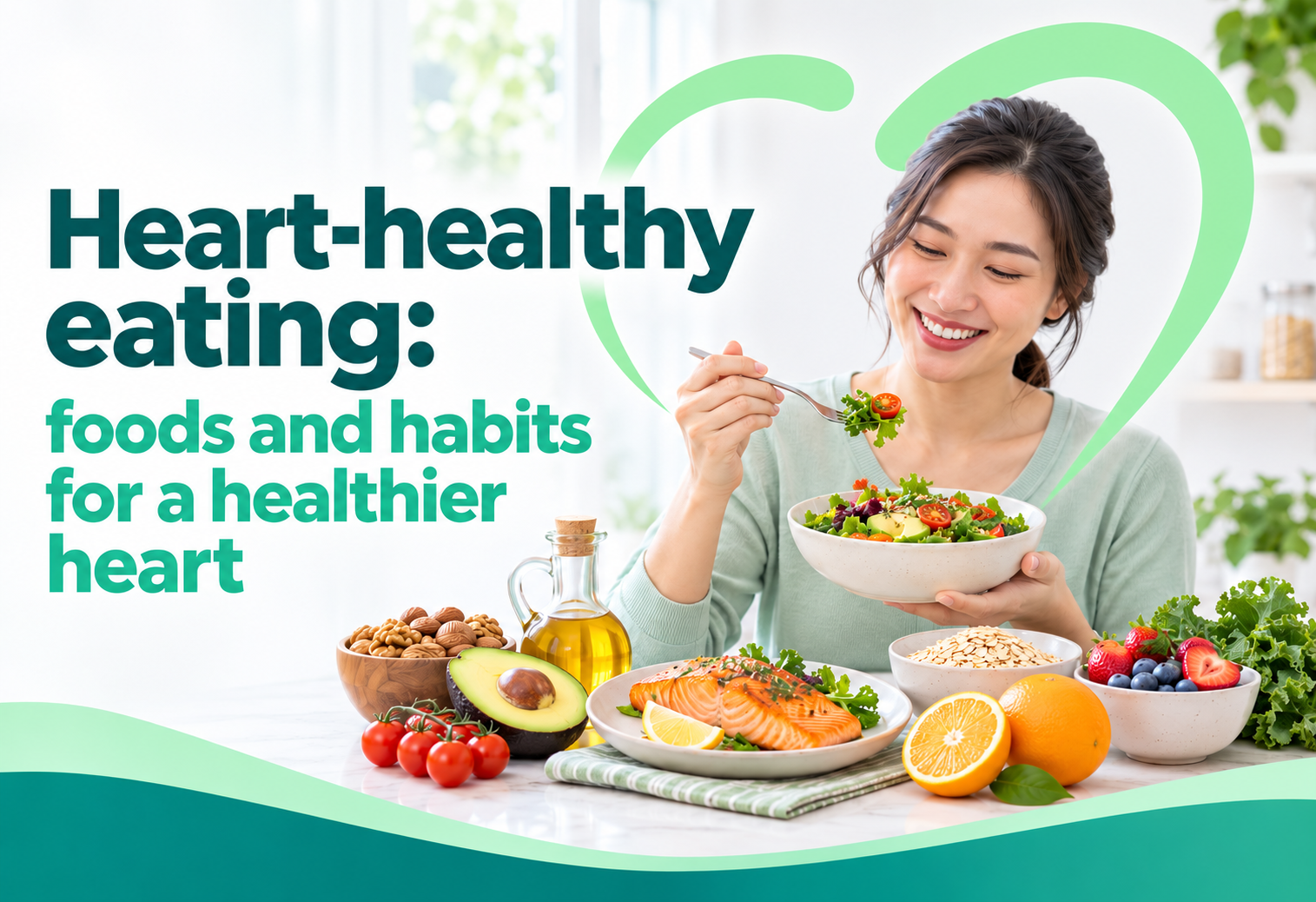
A heart-healthy eating pattern includes plenty of vegetables and fruit, whole grains, beans and other legumes, nuts, fish and unsaturated oils, while limiting salt, saturated and trans fats, and highly processed foods. [1, 6, 7, 12] Heart health is also supported by regular physical activity, avoiding tobacco and getting enough sleep. [2, 3, 5, 12]
- Use the DASH eating pattern as a practical guide. It is a flexible, balanced eating plan based on everyday foods and does not require special foods. [1]
- Keep salt intake in check. Aim for less than 5 g of salt per day in total, including salt already present in foods and added during cooking or at the table. [6]
- Support heart health beyond food. Move regularly, avoid tobacco and make enough sleep part of a healthy lifestyle. [2, 3, 5]
- Consider supplements according to individual needs. A balanced, heart-healthy eating pattern remains an important foundation for meeting nutrient needs, while supplements may have a role depending on individual circumstances. [7]
Why heart-healthy eating matters
Cardiovascular disease remains the leading cause of death worldwide. In Malaysia, ischaemic heart disease was the principal cause of medically certified deaths in 2024, accounting for 17,421 deaths, or 13.0%. Several cardiovascular risk factors can be modified, including tobacco use, an unhealthy diet, physical inactivity and harmful alcohol use. [9, 13, 14]
Heart health is influenced by both lifestyle and individual health factors. A healthy dietary pattern is an important part of cardiovascular risk management and can help support healthy blood lipid levels and weight management. Conditions such as high blood pressure, diabetes and high blood lipids may also require appropriate medical management. [12, 13]
Build meals around a heart-healthy pattern
The DASH eating plan, short for Dietary Approaches to Stop Hypertension, is a flexible and balanced eating pattern that supports a heart-healthy eating style. It does not require special foods. Instead, it emphasises vegetables, fruit, whole grains, low-fat or fat-free dairy products, fish, poultry, beans, nuts and vegetable oils, while limiting foods high in saturated fat, sugar-sweetened drinks and sweets. [1]
A practical plate for everyday meals
You do not need to change everything at once. Start with small, practical changes to meals you already eat often. [8]
| Choose more often | Limit more often | Easy local swap |
|---|---|---|
| Vegetables and whole fruit | Salty foods and sauces, and fruit juice | Add one extra vegetable dish; choose whole fruit instead of juice. [1, 6, 8] |
| Brown rice, oats and whole-grain bread | Refined grains and sweet bakery items | Swap white rice for brown rice, or gradually mix the two while adjusting to the taste. [6, 8] |
| Fish, beans, lentils and other legumes | Processed meats and fatty cuts of meat | Choose grilled fish, dhal or bean-based dishes more often. [1, 6, 8] |
| Unsalted nuts and unsaturated vegetable oils | Butter, ghee, coconut oil and foods high in saturated fat | Use a small amount of unsaturated vegetable oil and choose unsalted nuts. [1, 6, 8] |
| Unsweetened drinks | Sugar-sweetened drinks | Order kosong or kurang manis, then gradually move towards unsweetened options. [1, 6] |
Keep salt in check
A high sodium intake is associated with increased blood pressure. The World Health Organization recommends that adults limit sodium intake to less than 2,000 mg a day, equivalent to less than 5 g of salt. Remember that salt does not only come from the salt shaker - it can also be found in foods such as bread, processed meats, ready meals and salty snacks, as well as seasonings and sauces used in cooking. [6]
- Use less salt and high-sodium sauces or seasonings when preparing food.
- Compare nutrition labels and choose products with lower sodium content.
- Limit salty snacks and processed foods that are high in sodium.
- Flavour food with other ingredients where possible instead of relying mainly on salt or salty sauces.
- If considering a potassium-based lower-sodium salt substitute, speak with a healthcare professional if you have concerns about kidney function or potassium levels. [6]
Choose fats that support heart health
Choose unsaturated fats in place of foods high in saturated and trans fats where practical. Sources of unsaturated fats include fish, nuts, seeds and vegetable oils. Limit foods such as fatty meats, butter, ghee, and baked or fried foods that are high in saturated or trans fats. Coconut and palm oils are also sources of saturated fat, so consider using them in smaller amounts as part of the overall eating pattern. [6, 7, 12]
Add fibre-rich foods
Vegetables, fruit, whole grains, beans and lentils are useful sources of fibre and other nutrients. Oats and barley contain beta-glucan, a type of soluble fibre that may help lower LDL cholesterol. Higher LDL cholesterol levels are associated with an increased risk of atherosclerosis and cardiovascular disease.. [7, 10]
Support your diet with daily habits
Be physically active
Adults can aim for 150 to 300 minutes of moderate-intensity aerobic activity each week, or 75 to 150 minutes of vigorous-intensity activity, plus muscle-strengthening activities on at least two days a week. If you are not active now, start with small amounts and gradually increase the frequency, intensity and duration over time. If you live with a chronic condition, have limitations that affect physical activity, or develop new symptoms as you become more active, consider speaking with a healthcare professional about what is appropriate for you. [2, 12]
Avoid tobacco
Smoking and tobacco use can increase the risk of cardiovascular disease. Stopping tobacco use can reduce this risk, and cessation support can help people who want to quit. [3, 13]
Protect sleep and mental wellbeing
Poor sleep and ongoing stress can affect heart health and may also make it harder to maintain healthy daily routines. Most adults need about seven to nine hours of sleep each night. Make adequate sleep and healthy ways of managing stress part of your overall heart-health routine. If stress becomes difficult to manage, consider seeking professional support. [4, 5]
What to know about heart-health supplements
Some supplements may have a role in certain situations. For example, fish oil may be useful for people with elevated triglycerides, but it is not a replacement for statins when treating elevated LDL cholesterol. Some complementary products may also interact with medicines or increase the risk of bleeding. [12]
Omega-3 fatty acids
Oily fish such as sardines, salmon and mackerel provide omega-3 fats and can form part of a heart-healthy eating pattern. Omega-3 products may also be discussed in clinical care for people with elevated triglycerides, depending on individual needs. Fish-oil supplements are not a replacement for statins when treating elevated LDL cholesterol. [8, 12]
Beta-glucan
Beta-glucan is a type of soluble fibre found in foods such as oats and barley. Including beta-glucan-rich foods as part of a balanced diet may help lower LDL cholesterol. [10]
Coenzyme Q10
Coenzyme Q10, or CoQ10, is sometimes discussed in relation to muscle symptoms associated with statin use. Its benefits for muscle symptoms may vary between individuals. If you experience muscle discomfort while taking a statin, speak with a healthcare professional so the symptoms can be reviewed and suitable options discussed. [12]
A simple plan for this week
- Choose one meal and add an extra vegetable or swap a refined grain for a whole-grain option. [1, 6]
- Cut back on one regular source of salt, such as salty sauces, seasoning, processed meat or instant food. [6]
- Plan a few sessions of brisk walking or another activity that suits your ability, and build up gradually over time. [2]
- If you take regular medicines or supplements, note any questions or concerns to discuss with a healthcare professional. [12]
- Keep track of important cardiovascular risk factors such as blood pressure, blood sugar and cholesterol, and discuss when they should be checked based on your individual needs. [12]
Speak with a CARiNG pharmacist
Small, consistent changes can be easier to maintain than changing everything at once. If you have questions about your medicines, supplements, diet or heart-health goals, speak with a CARiNG pharmacist for guidance that suits your individual needs.
If you have heart disease, high blood pressure, diabetes, kidney disease, high triglycerides or food allergies, are pregnant, or take regular medicines, speak with a healthcare professional for advice that suits your needs.
Find your nearest CARiNG Pharmacy →Medical disclaimer: This article is for general education and does not replace diagnosis, treatment or advice from a qualified healthcare professional. Do not start, stop or change prescribed medicines without medical advice. Call 999 or seek emergency care for possible heart attack or stroke symptoms, such as chest pressure, sudden shortness of breath, facial drooping, arm weakness or difficulty speaking. [11]
Frequently asked questions about a heart-healthy diet
What are the best foods for heart health?
How much salt should adults have each day?
The World Health Organization recommends that adults limit salt intake to less than 5 g a day, equivalent to less than 2,000 mg of sodium. Remember to factor in sodium from processed foods, bread, salty snacks, sauces and seasonings, as well as salt added during cooking or at the table. [6]
Do I need a supplement for a healthy heart?
Healthy eating and lifestyle habits are an important foundation for heart health. Some supplements may have a role in certain situations, but their usefulness can differ depending on the product and individual needs. If you are considering a supplement for heart health, a healthcare professional can help you decide whether it is suitable for you. [12]
Can a pharmacist help with heart-health planning?
Yes. A pharmacist can help you understand your medicines and supplements, answer questions about safe use and possible interactions, and explain health screening or self-monitoring results. They can also advise when further assessment by a doctor or another healthcare professional may be appropriate.
View references 14 sources
- National Heart, Lung, and Blood Institute. DASH eating plan. U.S. Department of Health and Human Services, National Institutes of Health. Accessed 24 June 2025. Source
- World Health Organization. WHO guidelines on physical activity and sedentary behaviour. 2020. Accessed 24 June 2025. Source
- World Health Organization. Tobacco responsible for 20% of deaths from coronary heart disease. 22 September 2020. Accessed 24 June 2025. Source
- American Heart Association. How sleep and mental health affect heart health. Accessed 24 June 2025. Source
- American Heart Association. How sleep affects your health infographic. Accessed 26 June 2025. Source
- World Health Organization. Healthy diet. Accessed 24 June 2025. Source
- Lichtenstein AH, Appel LJ, Vadiveloo M, Hu FB, Kraus WE, Rebholz CM, et al. 2021 dietary guidance to improve cardiovascular health: A scientific statement from the American Heart Association. Circulation. 2021;144(23):e472-e487. Source
- Heart Foundation. Guide to eating for a healthy heart. National Heart Foundation of New Zealand. Accessed 24 June 2025. Source
- Ministry of Health Malaysia. Clinical Practice Guidelines: Primary & Secondary Prevention of Cardiovascular Disease. 2017. Source
- Sima P, Vannucci L, Vetvicka V. Beta-glucans and cholesterol: a review. International Journal of Molecular Medicine. 2018;41(4):1799-1808. doi:10.3892/ijmm.2018.3411. Source
- American Heart Association. Know the warning signs of heart attack and stroke. Accessed 16 November 2026. Source
- Ministry of Health Malaysia. Clinical Practice Guidelines: Management of Dyslipidaemia. 6th ed. 2023. Source
- World Health Organization. Cardiovascular diseases fact sheet. Updated 31 July 2025. Source
- Department of Statistics Malaysia. Statistics on Causes of Death, Malaysia, 2025. Data for 2024. Source
Latest Health Info
Heart-healthy eating: foods and habits for a healthier heart
The short answer A heart-healthy eating pattern includes plenty of vegetables and fruit, whole grains, beans and other legumes, nuts, ...

Giving Our Parents the Gift of Health: How to Support Healthy Aging
The short answer As our parents grow older, some changes in bone health, memory, appetite and physical function may become ...

Childhood eczema care for parents
The short answer Regular moisturising, short baths with lukewarm water, gentle cleansing and using prescribed treatments as directed are important ...